How to Create a Cohesive Interior Design Style Throughout Your Home
Creating a cohesive interior design style throughout your home is essential for achieving a balanced, comfortable, and visually appealing living environment. When each room follows a completely different design direction, the home may feel disconnected or disorganized. By contrast, using complementary colors, consistent materials, coordinated furniture, and thoughtful decorative details can create a natural flow from one space to another.
A cohesive interior does not mean every room must look identical. Each space can have its own personality while maintaining a shared design language. Whether you prefer modern minimalism, classic elegance, Scandinavian simplicity, or a combination of different styles, the following tips will help you create a harmonious interior throughout your home.
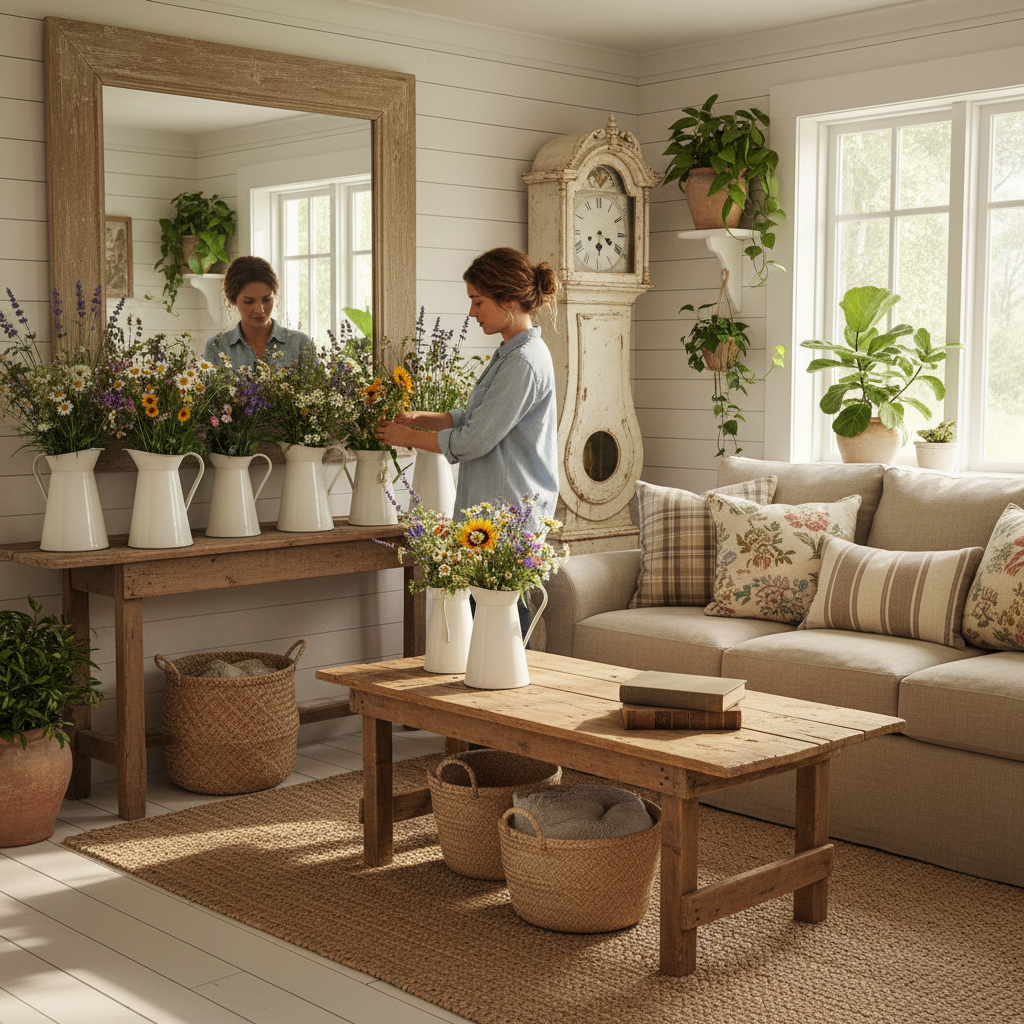
1. Establish a Clear Interior Design Concept
The first step toward a cohesive home interior is deciding on an overall design concept. Before purchasing furniture or selecting paint colors, identify the atmosphere you want to create. Your goal might be a warm and welcoming home, a sophisticated contemporary interior, or a bright and minimalist environment.
Collect inspiration images from interior design websites, magazines, and social media platforms. Look for recurring features such as furniture shapes, color Types of windows in the house, flooring materials, and lighting styles. These patterns can help you define a consistent visual direction.
Once you have established your concept, use it as a reference when making decisions about individual rooms. This approach prevents unrelated design choices from competing with one another and makes it easier to achieve a unified appearance.
2. Choose a Consistent Color Palette
Color is one of the most effective ways to connect different areas of a home. A consistent palette creates visual continuity, particularly when moving between the living room, dining area, hallway, and kitchen.
Start with a base color that works well throughout the property. Neutral shades such as white, beige, warm gray, and cream are versatile options that can complement many interior design styles. Next, select one or two supporting colors and introduce them through furniture, fabrics, artwork, and decorative accessories.
You do not need to use identical colors in every room. Instead, maintain a relationship between the shades you choose. For example, a home with a neutral foundation might feature sage green in the living room, muted blue in the bedroom, and warm terracotta accents in the dining area.
Consider how natural and artificial lighting affect colors before making final decisions. Testing paint samples in different rooms can help you determine whether the palette remains harmonious throughout the day.
3. Repeat Materials and Finishes Throughout the Home
Repeating selected materials is another effective way to create a cohesive interior design style. Wood, stone, metal, glass, and ceramic finishes can establish visual connections between rooms when used consistently.
For example, choosing similar wood tones for living room furniture, bedroom cabinets, and hallway storage can create a sense of continuity. Matching metal finishes across door handles, cabinet hardware, and selected lighting fixtures can also make the interior feel more coordinated.
However, repetition should not eliminate variety. What is the right floor color textures can add depth and prevent the design from appearing flat. You might combine smooth stone surfaces with textured fabrics, natural wood, and soft upholstery while maintaining a consistent overall palette.
The key is to select a manageable range of finishes and repeat them thoughtfully rather than introducing too many unrelated materials.
4. Maintain a Consistent Flooring Strategy
Flooring has a significant influence on the visual flow of a home because it connects rooms across the entire floor plan. Using the same flooring material in connected spaces can make a property feel larger and more unified.
For example, continuous flooring in a living room, dining area, and hallway can create a seamless appearance. In open-plan interiors, this approach also helps connect different functional zones without requiring additional visual boundaries.
Different flooring materials may be necessary in bathrooms, kitchens, laundry rooms, or other areas exposed to moisture. In these spaces, select materials that complement the main flooring in color, texture, or overall style.
Consider durability, slip resistance, maintenance, and installation requirements before choosing flooring. A consistent design should always support the practical needs of each room.
5. Coordinate Furniture Styles and Proportions
Furniture does not need to come from the same collection to create a cohesive interior. However, the pieces should share certain characteristics, such as similar shapes, finishes, proportions, or design influences.
For example, a contemporary home may combine a streamlined sofa, a simple wooden dining table, and minimalist bedroom furniture. Although these items serve different purposes, their clean lines and restrained finishes help connect the spaces.
Pay attention to furniture scale as well. Oversized furniture in a small room can disrupt the balance, while pieces that are too small may look out of place in a spacious interior.
Before purchasing major furniture items, measure each room and consider the relationship between furniture dimensions, ceiling height, circulation paths, and available natural light. Coordinated furniture should create both visual balance and practical comfort.
6. Use Lighting to Create Continuity
Lighting helps establish the atmosphere of each room while connecting different areas through consistent design choices. A cohesive lighting plan considers the style of fixtures, the quality of illumination, and the activities performed in each space.
Begin with general lighting for overall visibility, then add task lighting for activities such as cooking, reading, or working. Accent lighting can highlight artwork, architectural details, and decorative features.
Choose fixtures that complement the home's design concept. For instance, simple pendant lights, understated wall sconces, and coordinated table lamps can work well in a contemporary interior. A more traditional home may benefit from decorative fixtures with classic shapes and finishes.
You can vary the type and intensity of lighting from room to room while maintaining consistency through related materials, colors, or fixture designs. This creates a connected atmosphere without sacrificing the specific lighting needs of each space.
7. Connect Rooms Through Textiles and Accessories
Textiles and decorative accessories offer a flexible way to unify rooms without making every space identical. Curtains, cushions, rugs, throws, and artwork can repeat selected colors and textures throughout the home.
For example, a muted green used in living room cushions might reappear in bedroom bedding or hallway artwork. Similarly, natural linen, woven textures, or geometric patterns can create subtle connections between different spaces.
Accessories also provide an opportunity to express personality. Family photographs, plants, books, and collected decorative objects can make each room distinctive while remaining consistent with the overall design.
Avoid using too many patterns or accent colors at once. A few carefully selected accessories usually create a more balanced effect than filling every surface with decorative objects.
8. Create a Natural Transition Between Rooms
A cohesive home should feel connected as people move from one room to another. Transitional areas such as hallways, entryways, and staircases play an important role in establishing this flow.
Use these spaces to reinforce the home's main design features through coordinated wall colors, flooring, lighting, artwork, and storage solutions. For example, a hallway can repeat the same wall color used in the living room while introducing a complementary runner or decorative mirror.
In open-plan layouts, furniture placement and rugs can define separate areas without interrupting the overall design. A dining space can feel distinct from a living area while sharing similar colors, materials, and lighting finishes.
Think of the home as one connected environment rather than a collection of unrelated rooms. This perspective helps create smoother transitions and a more intentional result.
9. Balance Consistency With Individual Room Character
One of the most common interior design mistakes is assuming that every room must look exactly the same to achieve a cohesive style. In reality, successful design combines consistency with variation.
The living room may emphasize comfort and social interaction, while the bedroom prioritizes relaxation and privacy. A home office may require practical storage and focused lighting, whereas a dining room might benefit from a more decorative atmosphere.
Allow each room to respond to its purpose while maintaining shared design elements. You can introduce different accent colors, furniture arrangements, artwork, or textures without losing the overall aesthetic.
This balance makes the home feel coordinated rather than repetitive. It also allows you to adapt individual spaces as your lifestyle and preferences change.
10. Plan Your Budget and Prioritize Important Design Elements
A cohesive interior design style can be achieved at different budget levels, provided the planning process is organized. Before purchasing materials or furniture, establish a realistic budget and identify the elements that will have the greatest impact on the finished home.
Prioritize permanent or expensive features such as flooring, built-in cabinetry, major furniture, and lighting installations. These decisions are often more difficult or costly to change later.
More affordable items, including cushions, artwork, decorative accessories, and smaller furniture pieces, can be introduced gradually. This approach allows you to refine the interior over time without compromising the overall design direction.
It is also helpful to create a mood board and shopping list before making major purchases. Comparing finishes, dimensions, and prices in advance can reduce impulse buying and help ensure that each new item complements the rest of the home.
Final Thoughts: Build a Harmonious Home With a Unified Design Vision
Creating a cohesive interior design style throughout your home requires careful planning, consistent choices, and attention to the relationship between individual spaces. By establishing a clear design concept, choosing a coordinated color palette, repeating materials, and selecting complementary furniture and lighting, you can create a home that feels balanced and welcoming.
Remember that cohesion does not mean uniformity. Each room should meet its own functional requirements and reflect your personal preferences while maintaining a recognizable connection to the rest of the property.
Start with the major design elements, introduce complementary details, and evaluate the overall result as you progress. With a thoughtful approach, you can create a harmonious interior that combines visual appeal, everyday comfort, and long-term practicality.
Comments
Post a Comment